

For nearly six years, VT-ALL did not move. The Boeing 777-300ER sat parked in Nagpur, slowly transitioning from a frontline long-haul aircraft into something far less glamorous. Parts were removed to keep other aircraft flying. Systems degraded. The aircraft, once a global workhorse, became a donor. The Government of India-owned Air India did not have the funds to finance the aircraft’s repair, so it just let it be. No accountability. At one point, even those working around it had little hope left. Internally, the aircraft had effectively been written off.
Air India and Air India Engineering Services Limited bring the 777 back
To have a Boeing 777 and not use it for flights, but instead have it pilfered, was not the right thing to do, honestly. Especially in a world where aircraft deliveries are delayed, and the market is hot for non-stop flights from India to the West.
When the Tata Group took control of Air India in 2022, it inherited not just an airline but a problem. Thirty aircraft were grounded, each representing lost capacity, lost revenue, and years of neglect. VT-ALL was among the most challenging of them all — a widebody that had sat idle for far too long. Rather than scrap it, Air India chose to rebuild it.
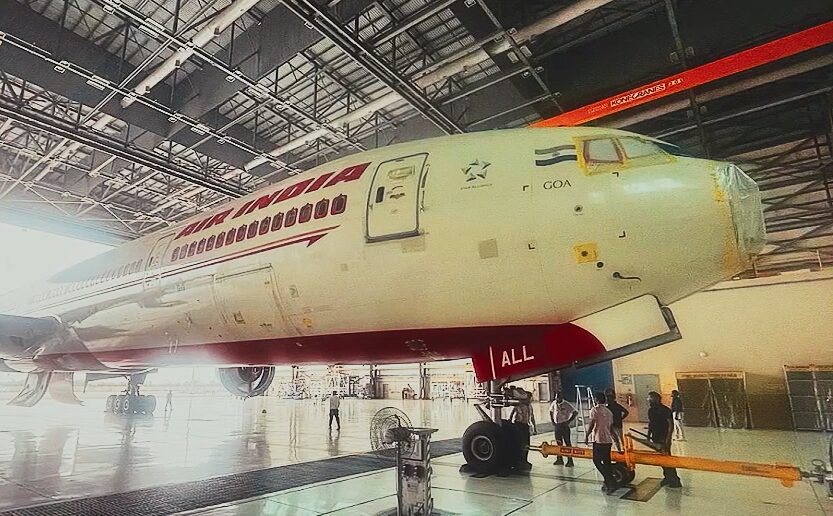
VT-ALL, named Goa, enters the hangar for repair
However, it was far too complex a problem to solve, so it was left for the end, after the others were done. The restoration of VT-ALL began in April 2025 at the AIESL MRO facility in Nagpur. What followed was not a routine heavy-maintenance check but something far more complex. The aircraft had to be brought back almost from first principles. 3000 components were sourced globally in a supply-constrained environment. Critical systems — from avionics to hydraulics to landing gear — were rebuilt or replaced. The interiors were stripped and redone. At points during the process, the aircraft resembled a bare shell more than a functioning jet. And yet, piece by piece, it came back together.
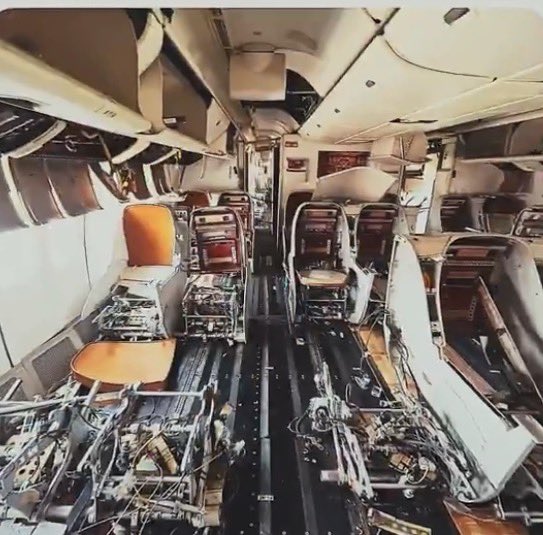
VT-ALL on the inside.
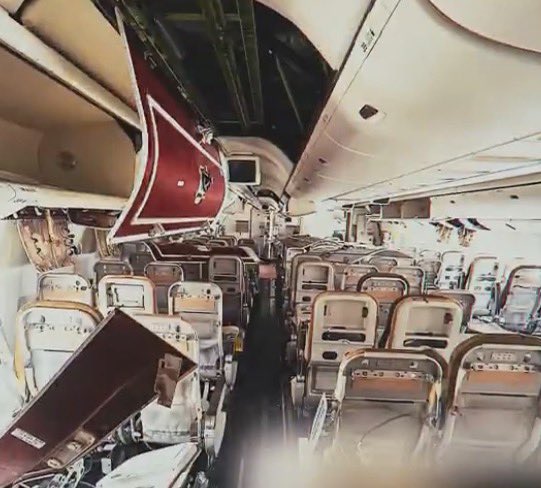
VT-ALL on the inside.
What stands out just as much as the effort itself is where it happened. This was not outsourced to Singapore, Dubai or Europe. The work was carried out in India, underscoring a quiet but important shift in the country’s maintenance, repair and overhaul capabilities. Air India itself acknowledged this, calling the project proof of India’s growing ability to handle high-complexity aircraft engineering. Eventually, the moment arrived.
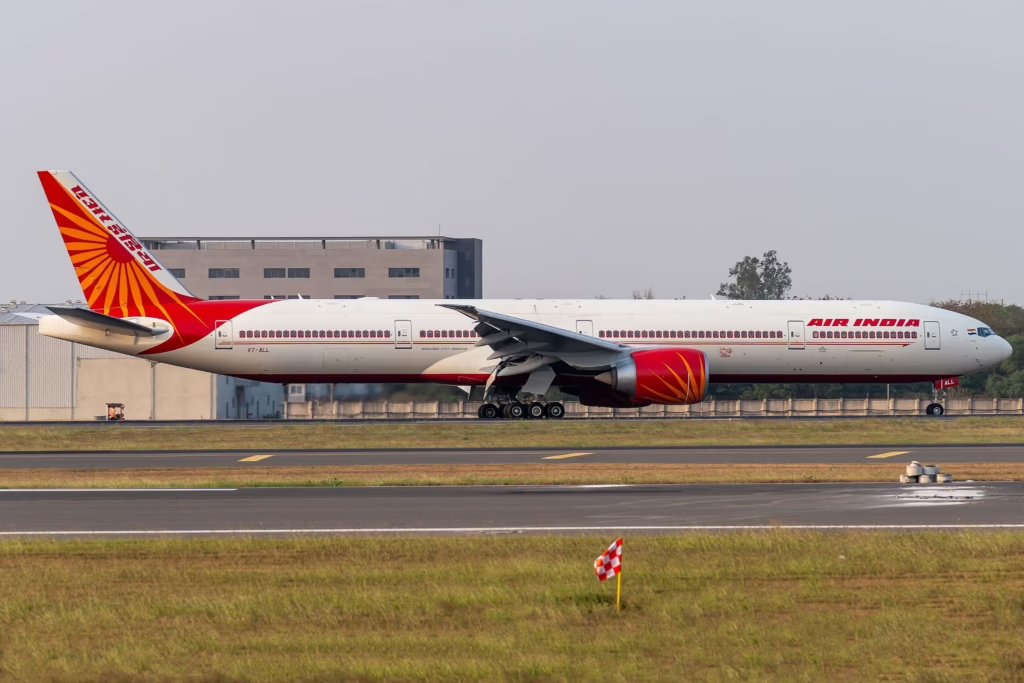
VT-ALL took to the skies again, operating a Mumbai–Delhi flight. On paper, it was just another domestic sector. In reality, it marked the return of an aircraft that had not flown in nearly six years — a full-circle moment that few would have predicted when it sat cannibalised in Nagpur.
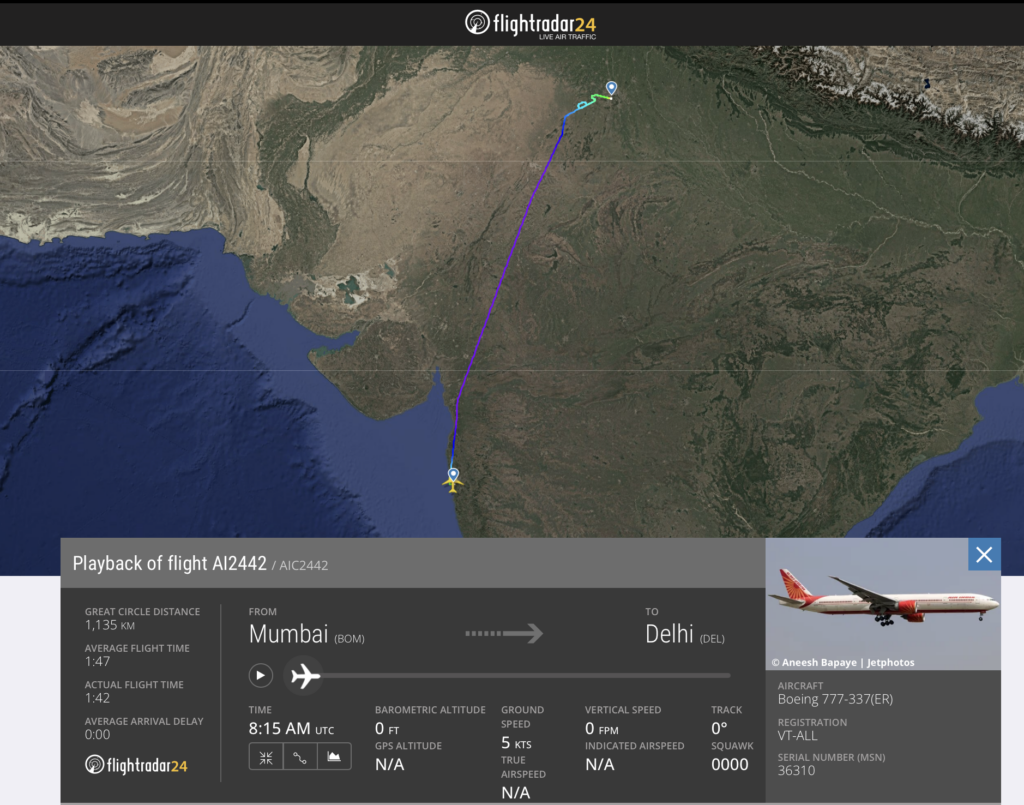
With this, Air India has now brought all 30 grounded legacy aircraft back into service. That milestone is more significant than it appears at first glance. In a market where aircraft deliveries are delayed and widebody availability is constrained, restoring existing assets is one of the fastest ways to rebuild capacity. It also signals a shift in operational discipline, something the airline has been working to establish since privatisation.
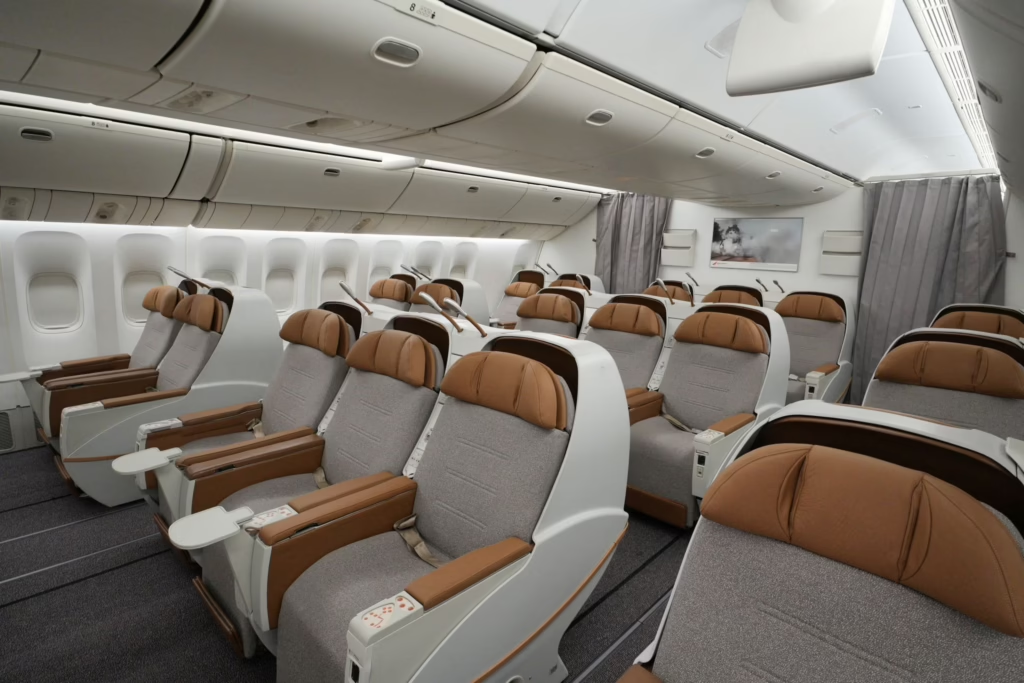
VT-ALL on the inside, as it looks now
There is, of course, a long road ahead. Air India has already indicated that its legacy Boeing 777 fleet will undergo full retrofits starting in 2027, which means VT-ALL’s current return is just the beginning of a longer transformation cycle. But even in its current form, the aircraft represents something larger.
For years, Air India’s struggles were visible in grounded jets and short-term fixes. VT-ALL tells a different story. It reflects an airline willing to invest time, capital and engineering effort into rebuilding what was once considered beyond recovery. In that sense, the aircraft is more than a restored Boeing 777. It is a metaphor for the airline itself — brought back, rebuilt, and returned to the skies.
Bottomline
VT-ALL, the once gutted aircraft of Air India, which was grounded for six years, and was used as a Christmas tree to use spare parts for other aircraft, has now been returned to service after a complete restoration. It currently flies between Mumbai and Delhi, before being scheduled for flights abroad.
Liked our articles and our efforts? Please pay an amount you are comfortable with; an amount you believe is the fair price for the content you have consumed. Please enter an amount in the box below and click on the button to pay; you can use Netbanking, Debit/Credit Cards, UPI, QR codes, or any Wallet to pay. Every contribution helps cover the cost of the content generated for your benefit.
(Important: to receive confirmation and details of your transaction, please enter a valid email address in the pop-up form that will appear after you click the ‘Pay Now’ button. For international transactions, use Paypal to process the transaction.)
We are not putting our articles behind any paywall where you are asked to pay before you read an article. We are asking you to pay after you have read the article if you are satisfied with the quality and our efforts.


Curious why they did not just refresh with the new interiors. Will it go through a refurb again next year for the new interiors?
@Anumit, they will send it when it’s their turn to refurbish it. Right now, the refurbished product has not been supplied to AI. Focus is on the 787-8 refurbishment for now.
Finally a good news from AI. Kudos to the team and management
This is fantastic achievement by Air India Engineering Services Limited. It proves AI’s intent to build capability and improve the customer experience. Kudos to the team.